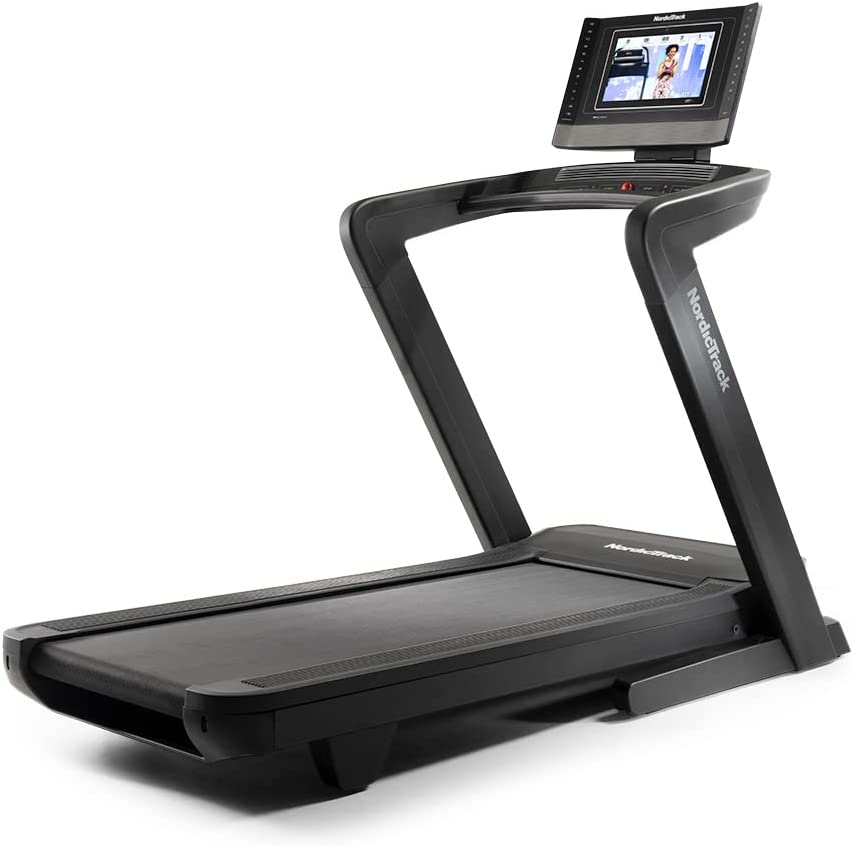

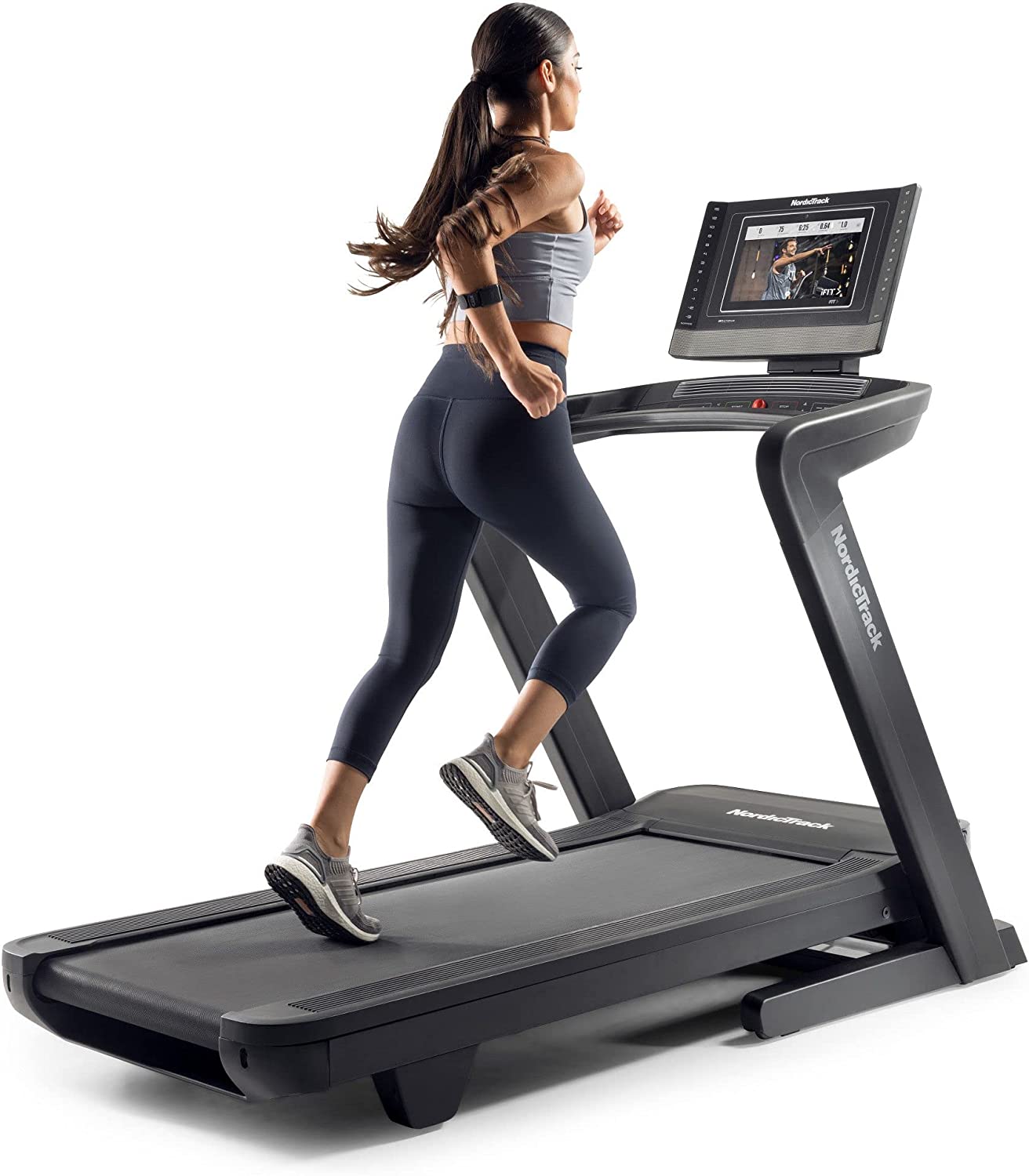
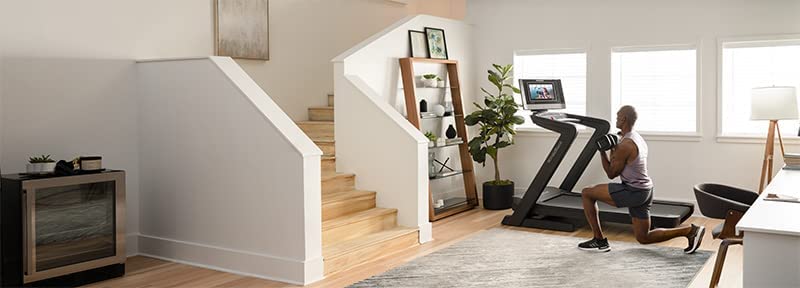

Have you ever caught yourself stuck in a mental loop, trying every trick in the book to muster the motivation to step into a gym and kick off your fitness journey? I know how daunting it can be with all those confusing machines and seasoned pros breaking a sweat. But fear not, because the simple yet powerful treadmill can be your perfect ally to navigate this fitness labyrinth! In fact, treadmill workouts are ideal for beginners just like you, eager to dip their toes in the world of exercise. Let's dive right into the exciting realm of treadmill workouts for beginners and take those crucial first steps towards a stronger, healthier, and happier you. Buckle up and get ready to stride your way to a more active, energetic, and fulfilling lifestyle!
The best sellers
Before embarking on your treadmill fitness journey, it's crucial to understand the basics of how a treadmill works. Gathering knowledge about its various features and functionalities will help you utilize it to the fullest, making your workouts more efficient, safe, and enjoyable.
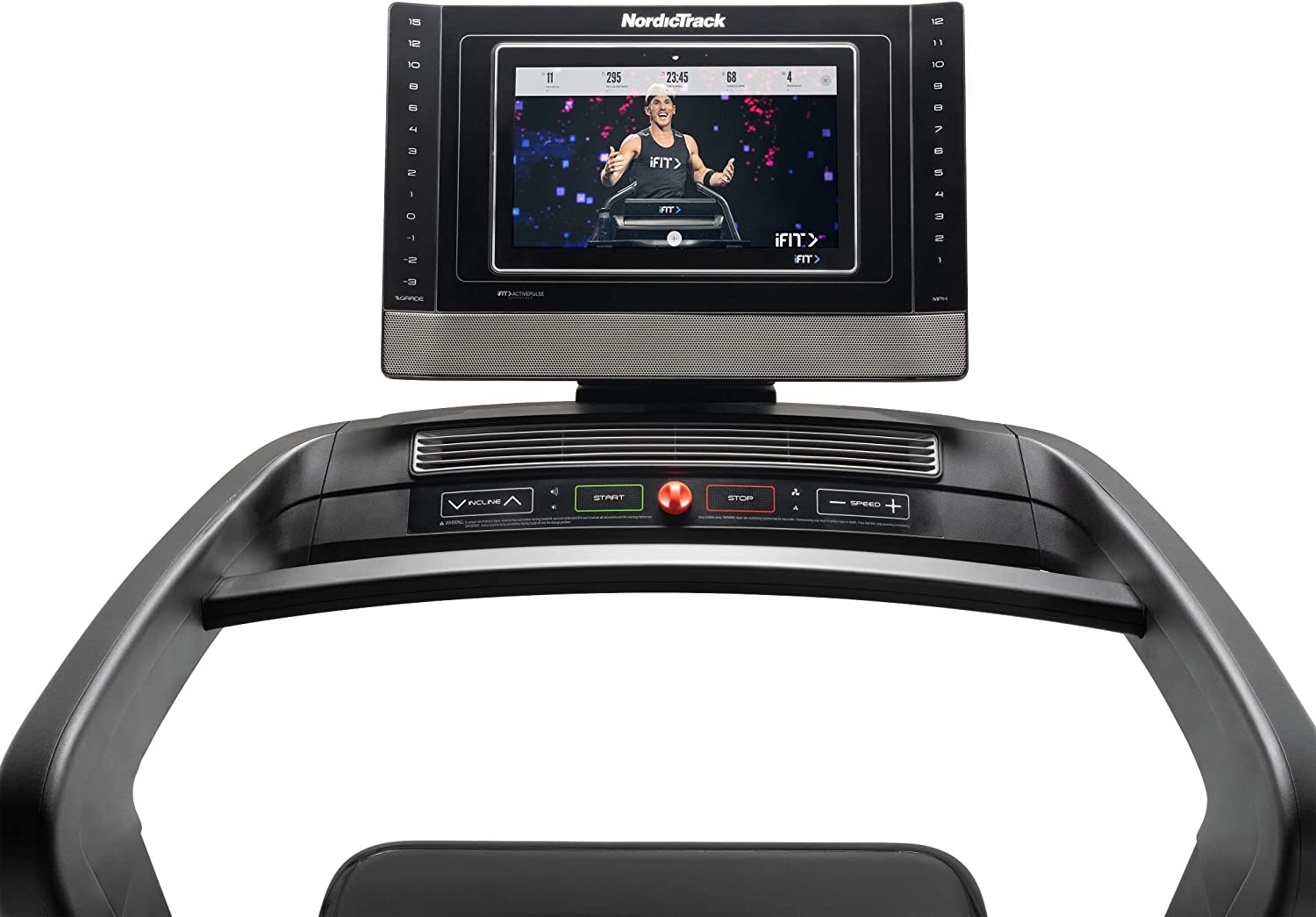
1. Display Console: Modern treadmills come equipped with display screens, which show useful information like the distance covered, calories burned, and your heart rate. Familiarize yourself with the console to keep track of your workout progress.
2. Speed Control: One of the most essential buttons on a treadmill is the speed control, which allows you to set the pace of your workouts, ranging from a slow walk to a high-intensity sprint. As a beginner, start with a comfortable walking pace and gradually increase the speed as you get comfortable with the machine.
3. Incline Control: To add more intensity to your workouts and target specific muscle groups, incline control is the key. By adjusting the incline level, you can simulate uphill walking or running, providing an added challenge and higher calorie burn.
4. Treadmill Key: A safety feature on the treadmill is the treadmill key or emergency stop, which is a small magnet attached to a clip. It's crucial to attach the key to yourself during workouts, as it will help you stop the machine immediately if needed.
5. Heart Rate Sensor: Holding onto the handrails of the treadmill will enable the heart rate sensor to monitor your heart rate. Make sure you hold on to it for an accurate reading.
By understanding the basics of a treadmill and how to use it effectively, you are well on your way to beginning your fitness journey. Always remember to consult a physician or certified trainer before starting any new exercise program, and gradually work your way towards a fitter and healthier lifestyle.
Embarking on your fitness journey with treadmill workouts is a fantastic idea. However, it is vital to ensure that you are using the proper technique to prevent injuries. Here, we will discuss the importance of maintaining correct form and provide some tips on how to execute your treadmill workouts safely and effectively.
1. Posture: Maintaining an upright posture while jogging or walking on the treadmill is essential as it helps maintain proper spinal alignment. Slouching can lead to backaches and shoulder discomfort, hindering your progress. Maintain a neutral spine by keeping your head and chest lifted, shoulders relaxed, and maintaining a slight bend in your elbows.
2. Foot strike: A proper foot strike is crucial to prevent injury and ensure your workout is productive. Aim to land on the mid or front part of your foot, avoiding heavy heel strikes. Excessive heel striking can cause shin splints, knee pain, and other injuries.
3. Arm swing: Make sure to keep your arms close to your sides and swing them naturally while walking or running. Avoid clenching your fists, which can unnecessarily increase muscle tension, and don't hold onto the handrails unless required for safety purposes, as this can hinder your running form and overall workout effort.
4. Stride length: Over-striding can place increased strain on your hip flexors, knees, and Achilles tendons. To prevent injuries, maintain a comfortable and easy stride length that aligns with your footstrike and pace.
5. Gradual progression : Starting slow and gradually progressing is the key to preventing injuries, especially for beginners. Begin your treadmill workout at a comfortable walking or jogging pace, then slowly increase speed and incline over time as your fitness improves. Schedule rest days to allow your body to recover.
Using the proper technique while working out on a treadmill is essential to prevent injury and make the most of your fitness journey. By focusing on maintaining proper posture, foot strike, arm swing, stride length.
Getting started with treadmill workouts can be intimidating, especially for beginners. However, understanding the display console's features and functionality can make your treadmill workouts more enjoyable and efficient. Here's a quick guide to help you familiarize yourself with the typical treadmill display console:
1. Speed:
The speed control button allows you to adjust the pace of your workout, from a slow walk to a brisk jog or even a sprint. Treadmills usually range from 0 (stop) to 10-12 miles per hour. Beginners should start slow and gradually increase their speed as they become more comfortable.
2. Incline:
The incline control button lets you adjust the angle of the treadmill belt to simulate walking or running uphill. Adding incline to your workout activates different muscles and increases the intensity, potentially burning more calories. Beginners may want to start with a low incline and gradually increase the angle as their fitness level improves.
3. Heart Rate Monitoring:
Many treadmills have built-in heart rate sensors, usually located on the handlebars. By gripping these sensors, the treadmill will display your current heart rate. This feature allows you to monitor your intensity level, ensuring you work within a safe and effective heart rate zone.
4. Distance and Time:
The display console tracks the distance you've run, typically in miles or kilometers, as well as the duration of your workout. This data is helpful for tracking progress and setting goals.
5. Calories Burned:
Some treadmills estimate the number of calories you burn during your workout based on factors like age, weight, and workout intensity. Keep in mind that these estimates may not be completely accurate, but they can still provide a general idea of your workout's effectiveness.
6. Preset Programs:
Many treadmills offer preset workout programs that automatically adjust the speed and incline based on specific goals or training plans. Using these programs can add variety to your treadmill workouts and help you reach your fitness goals more efficiently.
In conclusion, understanding the basic features of your treadmill's display console is essential for beginners, as it will help you make the most of your workouts. As you become more comfortable with the treadmill, remember to gradually increase your speed and incline to challenge yourself and continue seeing progress in your fitness journey.
How to Choose the Perfect Treadmill for Your Home Gym: A Beginner's Guide
Step 1: Determine Your Budget and Space
Before you even begin looking for the perfect treadmill, you need to consider your budget and the space available in your home gym. Treadmills can range from a few hundred dollars to thousands, so determining your spending limit is crucial. Also, make sure you have enough room for the treadmill you plan to purchase, considering not only floor space but also ceiling height.
Step 2: Assess Your Fitness Goals
Next, assess your fitness goals and how you plan to use the treadmill. If you're a beginner, you may not need a top-of-the-line machine with advanced features. However, if you're a seasoned runner, you may want a treadmill that offers incline and decline features, customizable programs, and a higher maximum speed.
Step 3: Prioritize Essential Features
Some key features to consider include motor power (measured in continuous horsepower, or CHP), belt size, maximum speed, incline/decline range, and weight capacity. For most home gyms, a treadmill with a CHP of 2.0 or higher, a belt size of at least 20 inches in width and 55 inches in length, and a maximum speed of at least 10 miles per hour should suffice.
Step 4: Review Safety and Additional Features
Safety features, such as an emergency stop button, handrails, and a safety key, should be prioritized. Extra features, such as built-in speakers, heart rate sensors, and a fan, can enhance the user experience but may not be necessary depending on your preferences.
Step 5: Research and Test
Once you have a clear idea of your desired treadmill features, take the time to research and read reviews from professional sources and users alike. If possible, visit a local fitness equipment store to test out different models and find the treadmill that feels like the right fit for you.
By following these steps, you can confidently invest in a treadmill that will enhance your home gym experience and help you reach your fitness goals.
Are you considering whether to start utilizing a treadmill for your running workouts? Treadmills offer numerous benefits, making them an ideal choice for beginners and seasoned runners alike. In this guide, we'll explore five advantages of using a treadmill for running.
1. Suitable for all experience levels: Regardless of your running ability, a treadmill can accommodate your specific needs. Beginners can start with walking or jogging and gradually build up their speed and endurance, while experienced runners can easily adjust the settings to challenge themselves with varying speeds, inclines, and workout programs.
2. Control over training conditions: A treadmill allows you to eliminate the unpredictability of outdoor running conditions. You can set the pace, incline, and duration of your workout, enabling you to work on specific aspects of your fitness, such as increasing speed, building strength, or improving cardiovascular endurance.
3. Safety and convenience: Running on a treadmill eliminates the risks associated with outdoor running, such as traffic, uneven surfaces, and inclement weather. With a home treadmill or a gym membership, you can exercise in a controlled, comfortable environment with access to water, restrooms, and other facilities.
4. Lower impact on joints: Most modern treadmills have cushioned decks that reduce the impact on your joints compared to running on hard surfaces like concrete or asphalt. This feature can help prevent injuries and make running more comfortable, especially for those with joint issues or recovering from an injury.
5. Performance tracking and motivation: Treadmill consoles display essential workout data, such as time, distance, speed, and calories burned, allowing you to track your progress and set specific fitness goals. Many treadmills also offer pre-programmed workouts or connect to fitness apps, which can provide additional motivation and guidance throughout your fitness journey.
In conclusion, incorporating treadmill running into your workout routine offers many advantages that can boost your fitness, motivation, and overall enjoyment of running. Whether you're a beginner or an experienced runner, treadmills present a controlled, efficient, and versatile training option worth considering.
It's common for beginners to make mistakes while learning how to use a treadmill effectively. Avoid these six common mistakes to ensure a safe and beneficial workout experience.
1. Holding onto the sides of the treadmill: Using the handles for support can negatively redistribute your weight, affecting your form and reducing the overall benefits of your workout. Keep your arms bent at your sides, swinging naturally while running.
2. Looking down at your feet: Your eyes should focus forward during the run, as looking down can throw off your balance and potentially lead to slipping and falling. Maintaining proper posture will help to avoid injury and maximize results.
3. Watching the screen: Constantly watching the treadmill's display can make your workout seem longer and more tedious. Instead, cover the screen with a sweatshirt and focus on your breathing, thoughts, and a good playlist or TV show.
4. Running at a slow pace: To progress and see results, it's important to challenge yourself during your workouts. Don't be tempted to stick with a slow pace for the entire duration; vary your speed and incline to make the most of your run.
5. Skipping warm-up and cool-down: A proper warm-up and cool-down are essential for preventing injury and improving your overall workout experience. Start your session with a 5-10 minute warm-up walk or slow jog, and wrap it up with a similar cool-down period.
6. Ignoring correct form: Proper running form helps to prevent injury and improve performance. Maintain a slight forward lean, engage your core muscles, and avoid over striding to ensure an efficient and comfortable run.
By avoiding these common mistakes, beginners can enjoy a safe, effective, and enjoyable treadmill workout experience. Remember to consult with a professional trainer or coach if you have any concerns or questions about your treadmill routine.
Starting your fitness journey can be daunting, but with the right treadmill workouts, you can ease into running and see quick progress. Use these seven beginner-friendly treadmill workouts to get started.
1. 30-minute Walk-Jog Interval Training: Warm up with a 5-minute brisk walk, then alternate between 1-minute jogging and 2-minute walking for the next 20 minutes. Finish with a 5-minute cool-down walk.
2. 20-minute Incline Walk: Gradually increase the incline every 2 minutes, starting with no incline for 2 minutes and working up to a maximum incline of 10% for 2 minutes. Then reverse the process and decrease the incline back to zero.
3. 30-minute Steady Pace Run: Run at a comfortable pace for 30 minutes. This workout helps you build endurance and find the right pace for longer runs.
4. Pyramid Interval Workout: After a warm-up walk, run at a moderate pace for 1 minute, then walk for 1 minute. Increase your running time in 1-minute increments up to 4 minutes, then work your way back down to 1 minute, taking 1-minute walk breaks in between.
5. 20-minute Speed Intervals: Warm up with a 5-minute walk, then alternate between 30 seconds of fast running and 90 seconds of walking. Repeat for a total of 8 speed intervals and end with a 5-minute cool-down walk.
6. Hill Climb Workout: After a warm-up, increase the incline to 4% and run at a steady pace for 2 minutes. Walk for 2 minutes to recover, then increase the incline to 6% and run for another 2 minutes. Repeat this pattern, increasing the incline by 2% each time up to 10%. Cool down with a flat walk.
7. Fartlek Training: Warm up with a walk, then mix up your pace by adding in short bursts of faster running for 15-30 seconds at random intervals throughout a 30-minute workout.
Remember to always stretch before and after your workout, monitor your heart rate, and consult a professional trainer if you're unsure about any treadmill exercises. Happy running!
As a beginner, warming up before every workout is essential for preparing your body and preventing injuries. A proper warm-up increases your heart rate, warms up your muscles, and improves your range of motion. Here is a guide to eight simple warm-up exercises for beginners to help start your fitness journey on the right foot.
1. Arm Circles: Stand with your feet shoulder-width apart and extend your arms out to the sides. Make small circles with your arms, gradually increasing the size of the circles. After 30 seconds, reverse the direction of the circles.
2. Leg Swings: Hold onto a wall or sturdy object for balance. Swing one leg forward and backward, keeping your core engaged and maintaining control with each swing. Repeat for 30 seconds before switching legs.
3. Neck Rolls: Stand tall with your feet hip-width apart. Slowly roll your neck clockwise, allowing your head to drop forward and your chin to rest on your chest. After 30 seconds, reverse the direction of the roll.
4. Knee Hugs: While standing, lift one knee and hug it into your chest. Hold for a few seconds before releasing and switching legs. Repeat for one minute.
5. Hip Circles: Stand with your hands on your hips and feet hip-width apart. Begin making circles with your hips, rotating clockwise for 30 seconds and then counterclockwise for 30 seconds.
6. Jumping Jacks: Perform jumping jacks for one minute, keeping your core engaged and landing softly on your toes.
7. High Knees: Stand tall and march in place, lifting one knee high and then the other. Increase the pace as you feel comfortable, repeating for one minute.
8. Butt Kicks: While standing, kick one heel back toward your glutes, then repeat on the other side. Continue alternating legs for one minute.
By incorporating these warm-up exercises into your fitness routine, you'll properly prepare your body for a successful and injury-free workout. Remember to always listen to your body and adjust the intensity of the exercises according to your comfort level.
Incorporating inclines into your treadmill workouts can provide a variety of benefits such as improved cardiovascular fitness, enhanced muscle strength, and increased calorie burn. For beginners, introducing inclines gradually into your workout routine can improve performance and prevent injury. In this comprehensive guide, we'll discuss how to incorporate inclines into treadmill workouts effectively and safely.
Step 1: Begin with a Warm-Up
Always start your treadmill workout with a 5-10 minute warm-up at an easy walking pace of around 2.5 to 3.5 mph. As warm-up benefits both your muscles and cardiovascular system, it prevents unwanted strain and potential injury during your workout.
Step 2: Gradually Increase Incline
Once you have warmed up, begin to increase the incline on your treadmill in gradual increments of 1-2%. Ideally, the treadmill incline should feel challenging yet manageable, and the increase should not cause any discomfort in your joints and muscles.
Step 3: Adjust Your Speed and Duration
The primary goal of incorporating inclines in your treadmill workout is to boost your cardiovascular fitness and muscle strength. Lower your speed slightly as you increase the incline to ensure you maintain proper form and control. Aim to maintain the increased incline for intervals ranging between 1 and 3 minutes.
Step 4: Recovery and Alternating Intervals
After each high-incline interval, allocate some recovery time to lower the incline to a comfortable flat level and walk or jog. Recovery time should be equal to or double the duration of high-incline intervals. Alternating between high and low-incline intervals can create a form of High-Intensity Interval Training (HIIT) for optimal performance results.
Step 5: Cool Down and Stretch
Always end your treadmill workout session with a 5-minute cool-down at an easy walking pace, gradually reducing the incline to zero. Follow-up with static stretches targeting your leg muscles, including calves, hamstrings, and quadriceps, to prevent any soreness and improve flexibility.
Incorporating inclines into your treadmill workouts can significantly improve your overall performance and help you achieve your fitness goals. By following the steps mentioned above and gradually increasing inclines, you can enhance your cardiovascular fitness, muscle strength, and enjoy a more dynamic and enjoyable workout experience.
Step 1: Set an Achievable Fitness Goal
Before stepping onto a treadmill, it's crucial to establish a realistic fitness goal. Are you aiming for weight loss, cardiovascular fitness, or improving running endurance? Be specific with your objectives, as this will provide a clear direction for your treadmill workouts and make tracking your progress easier.
Step 2: Prepare for Your Treadmill Workout
Invest in proper gear such as comfortable workout clothes, good-quality running shoes, a water bottle, a small towel, and headphones for listening to music or podcasts. These items will help you feel comfortable and motivated during your workout.
Step 3: Learn the Treadmill Controls
Familiarize yourself with treadmill console settings such as speed and incline controls, safety features like the emergency stop key, and monitoring tools like the heart rate sensor. Learning how to control the treadmill effectively will help you maximize your workout experience and reduce the risk of injury.
Step 4: Start with a Beginner Treadmill Routine
Gradually ease into a new treadmill workout routine by starting with low-intensity steady-state (LISS) or interval training workouts. Begin with 10 to 30 minutes per session and gradually increase the duration or intensity over time.
Step 5: Monitor Your Progress
Keep track of your workout details – speed, incline, distance, and time – to quantify your progress. Monitoring your stats will help you make adjustments to your treadmill workouts and provide a sense of accomplishment when you meet or exceed your goals.
Step 6: Stay Consistent and Committed
Make a commitment to a regular workout schedule and stick to it. Consistency is key to achieving your fitness goals and maintaining long-term results. Adjust workouts or set new goals as necessary to keep yourself motivated and challenged.
In summary, setting achievable fitness goals, understanding treadmill controls, and beginning with a beginner's treadmill routine are vital components of starting your fitness journey using a treadmill. Monitor your progress, stay committed, and watch your fitness goals become a reality, one treadmill workout at a time.
What is a treadmill workout?
A treadmill workout is a type of exercise that involves running or walking on a treadmill. Treadmill workouts can be done at a variety of speeds and inclines, making them a versatile option for people of all fitness levels.
What are the benefits of treadmill workouts?
Treadmill workouts offer a number of benefits, including:
What are the risks of treadmill workouts?
Treadmill workouts can be risky if not done properly. Some of the risks associated with treadmill workouts include:
How do I start a treadmill workout?
If you are new to treadmill workouts, it is important to start slowly and gradually increase your intensity and duration as you get fitter. Here are some tips for starting a treadmill workout:
How often should I do a treadmill workout?
If you are new to treadmill workouts, it is a good idea to start with 2-3 workouts per week. As you get fitter, you can increase the number of workouts to 4-5 per week.
What should I wear for a treadmill workout?
It is important to wear comfortable, breathable clothing when you do a treadmill workout. You should also wear supportive shoes that are designed for running or walking.
What should I bring with me for a treadmill workout?
It is a good idea to bring a water bottle with you when you do a treadmill workout. You may also want to bring a towel to wipe away sweat.